Healthy Living · Nutrition Basics
Food for Fuel: A Guide to Basic Nutrition
Food does more than stop hunger. Every meal gives your body materials, energy, and tiny helpers that keep you moving, thinking, growing, and recovering.
Your Body Is a Busy Team
Even while you are sitting in class or sleeping, your body is busy. Your heart beats, your brain sends messages, your lungs move air, and your cells repair themselves. To do all of this, your body needs several kinds of nutrients: carbohydrates, protein, fats, vitamins, minerals, and water.
Each nutrient has a different job. That is why a healthy diet is not about finding one “perfect” food. It is about eating a variety of foods over time. A plate with grains or starchy vegetables, protein foods, colorful produce, and a little healthy fat is more useful than a plate made from only one food group.
Carbohydrates: Ready-to-Use Energy
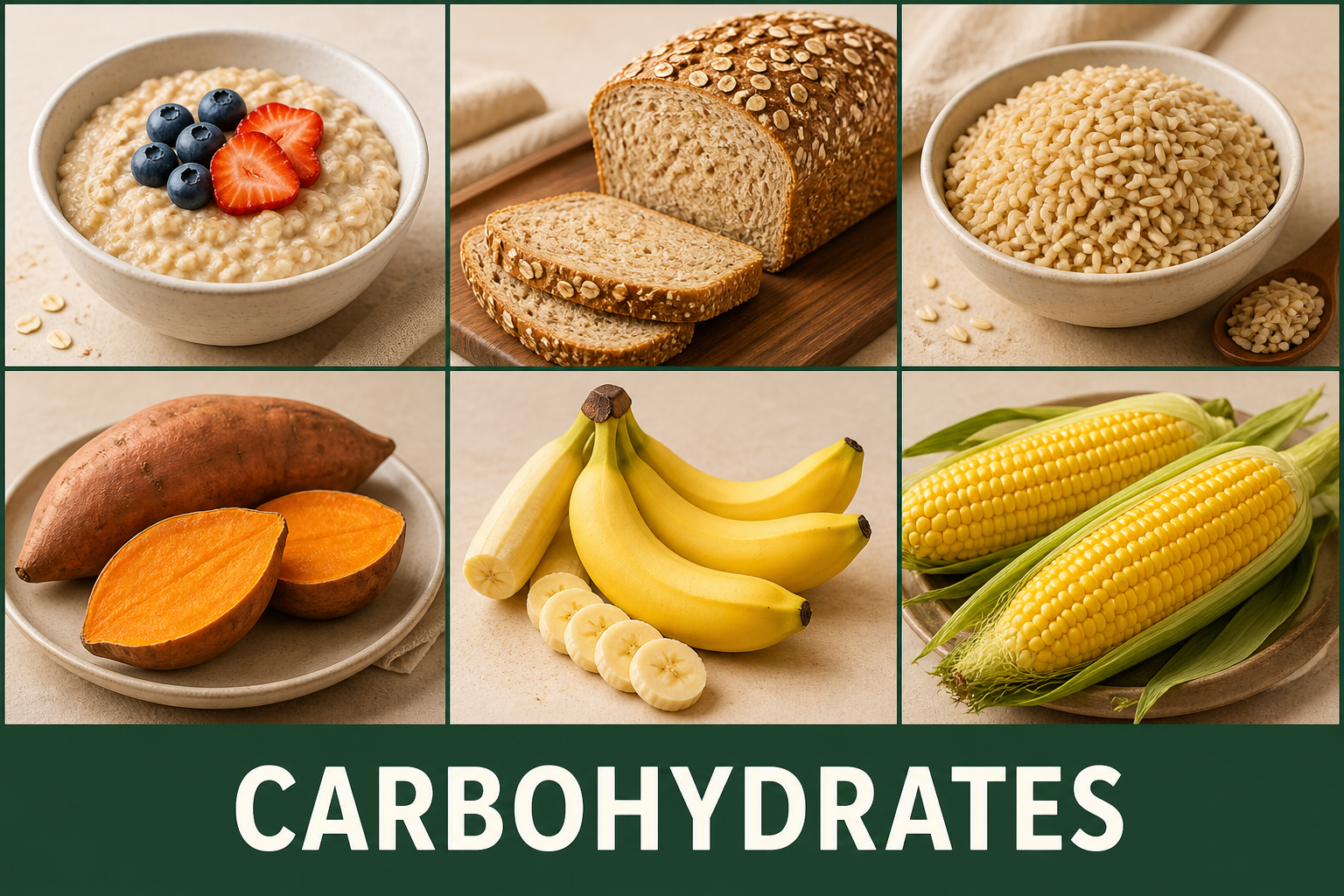
Carbohydrates are one of the body’s main sources of energy. Your brain uses glucose, which comes from carbohydrates, and your muscles use carbohydrates when you walk, play sports, or climb stairs. Rice, bread, pasta, oats, corn, potatoes, sweet potatoes, fruit, and beans all contain carbohydrates.
Some carbohydrate foods bring more than energy. Whole grains, beans, and potatoes with their skins can also provide fiber. Fiber is not fully digested by the body, but it helps the digestive system work well and can help you feel full for longer. Sugary drinks, candy, and many desserts can fit into life occasionally, but they should not replace filling meals made from everyday foods.
Protein: Material for Growth and Repair
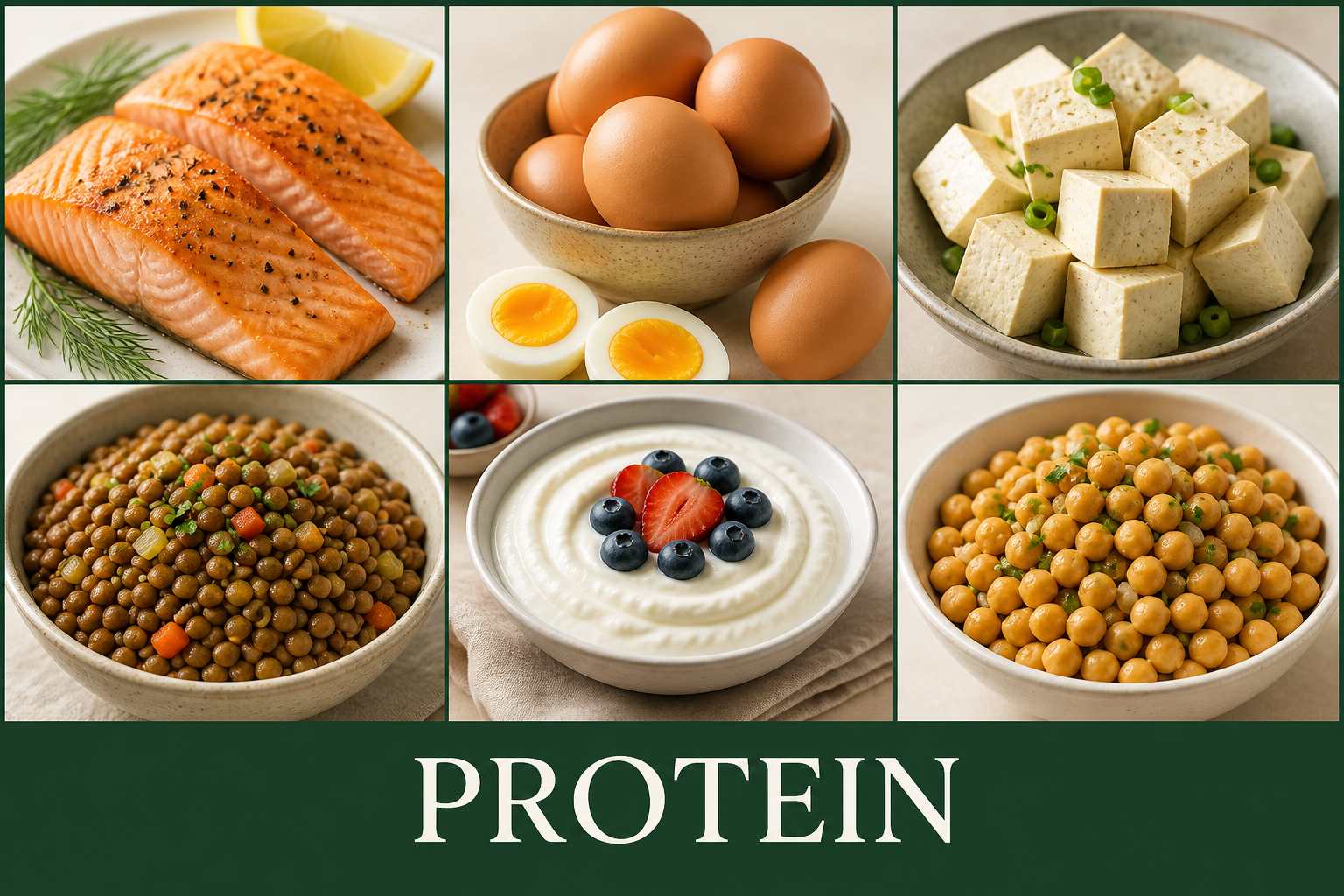
Protein is made of smaller building blocks called amino acids. Your body uses protein to build and repair muscles, skin, and other tissues. It also uses protein to make enzymes and parts of the immune system. This is especially important during childhood and the teen years, when bodies are growing quickly.
Eggs, milk and yogurt, fish, chicken, lean meat, tofu, lentils, beans, and nuts are common sources of protein. Animal and plant foods can both be part of a balanced diet. For example, beans with rice, tofu with noodles, or yogurt with oats are simple combinations that add variety to a meal.
Dietary Fiber: Support for Your Digestive System
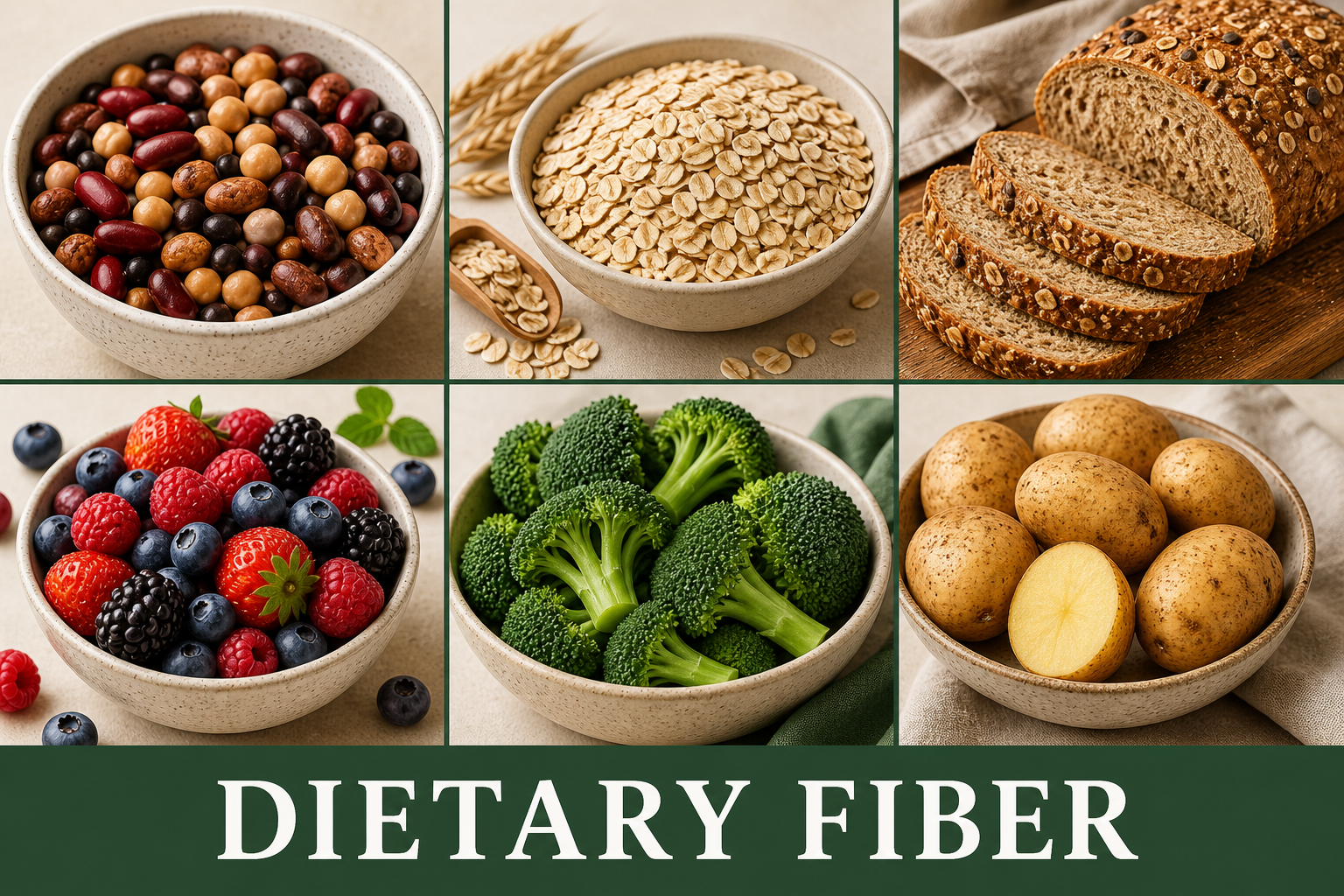
Dietary fiber is a type of carbohydrate found naturally in plant foods. Unlike sugars and starches, fiber is not completely broken down by the body. Instead, it helps food move through the digestive system and supports regular bowel movements. Fiber can also help a meal feel more satisfying, so you may stay comfortably full for longer.
Good sources of fiber include whole-grain bread and oats, beans and lentils, vegetables, fruit, nuts, seeds, and potatoes with their skins. Different kinds of fiber do slightly different jobs, which is one more reason to eat many different plant foods. When increasing fiber, it is also important to drink enough water.
Fats: Useful, Not Fearful
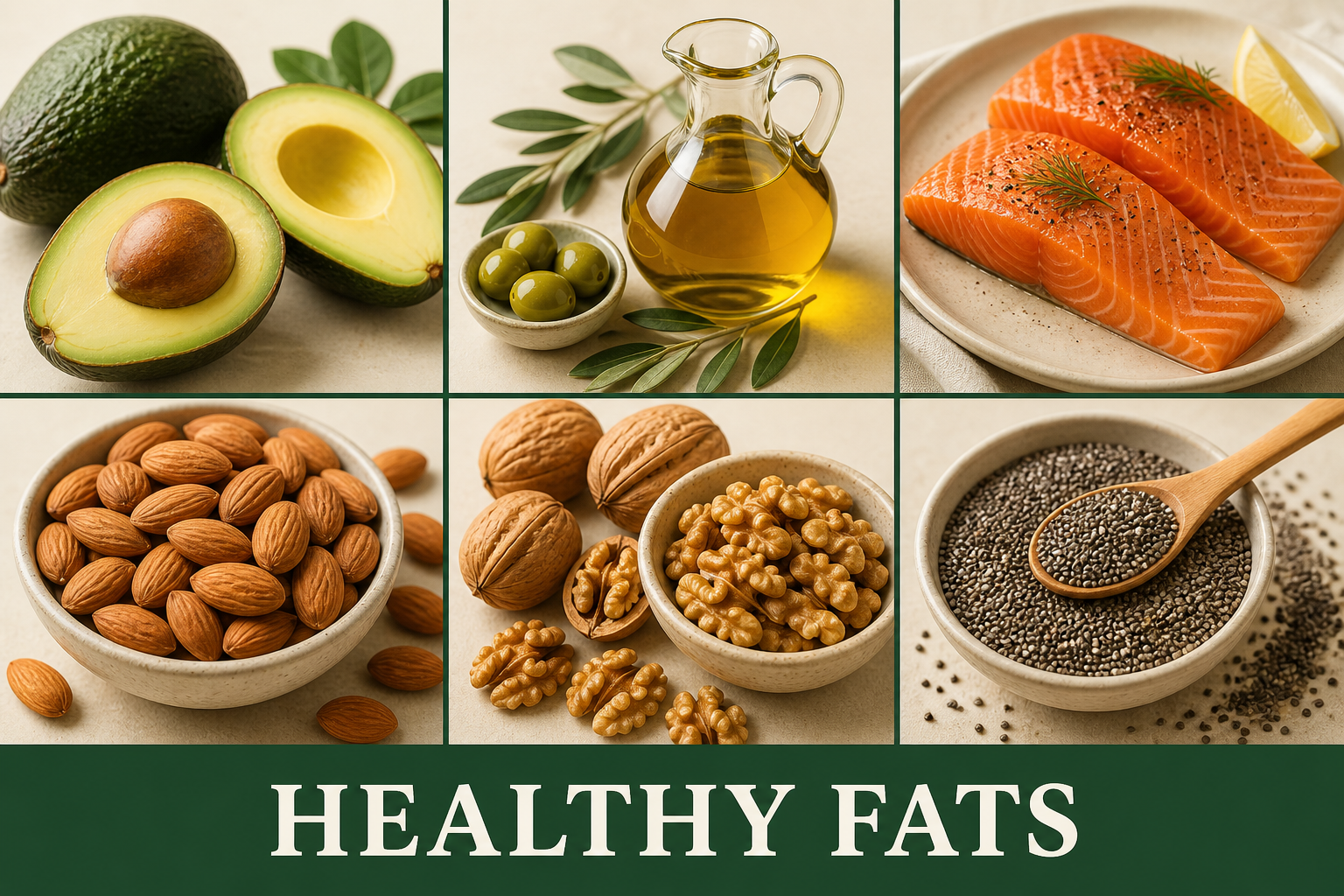
Fat is often given a bad reputation, but your body needs some fat. It stores energy, cushions organs, helps make hormones, and helps the body absorb vitamins A, D, E, and K. Foods such as nuts, seeds, fish, avocado, olive oil, and canola oil can provide unsaturated fats.
It is still wise to pay attention to amount and source. Fried foods, heavily processed snacks, and processed meats may also contain large amounts of salt, sugar, or saturated fat. They do not need to be forbidden, but they work best as occasional foods rather than the center of every meal.
Vitamins and Minerals: Small Helpers with Big Jobs
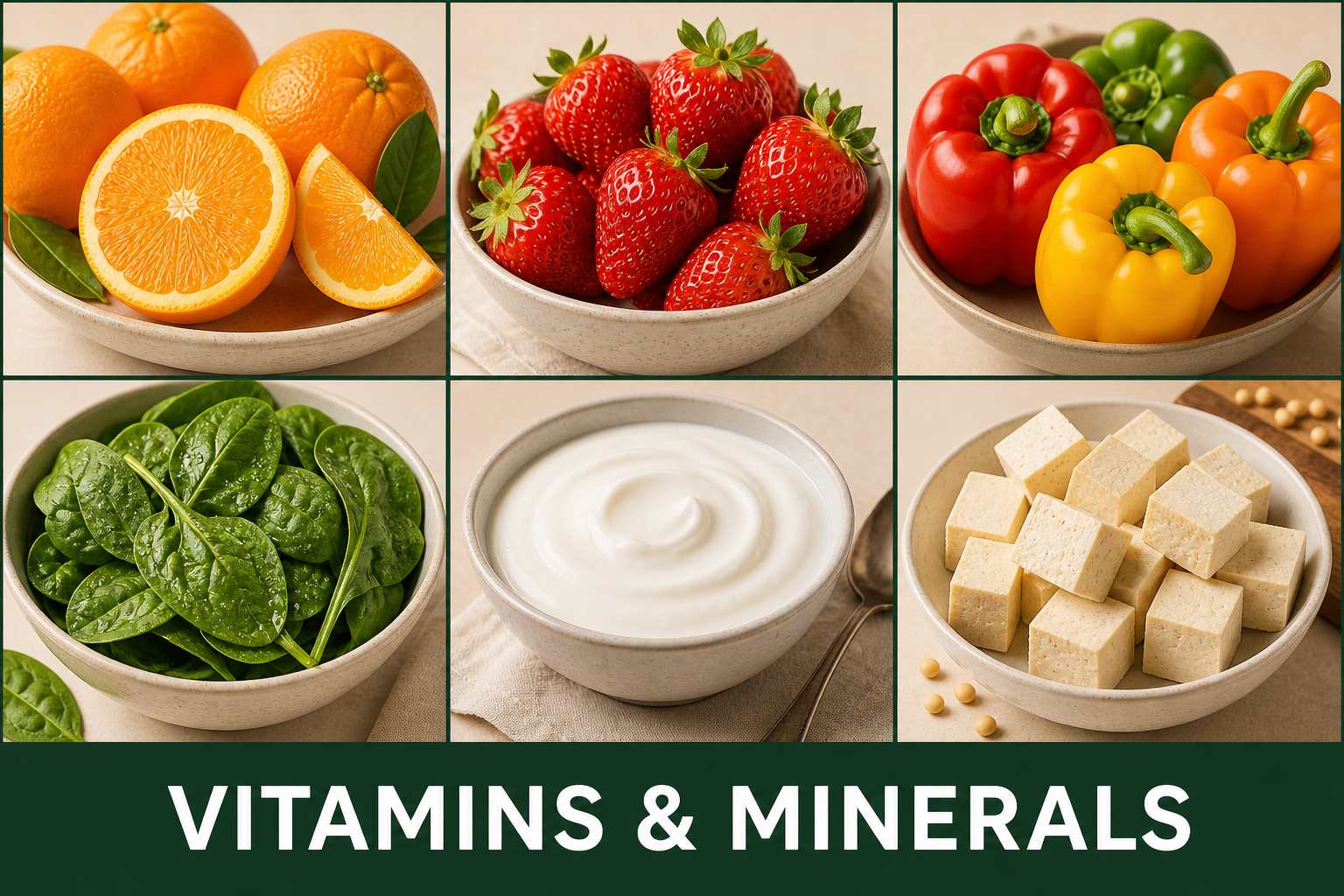
Vitamins do not provide calories, but they help important body processes happen. Vitamin C supports collagen formation and helps the body absorb iron. Citrus fruit, strawberries, kiwifruit, bell peppers, and leafy greens are useful sources. Vitamin A supports vision, skin, and immune function; orange vegetables, dark leafy greens, eggs, and dairy foods can contribute it.
Vitamin D helps the body absorb calcium, which supports strong bones and teeth. It can be found in foods such as oily fish, egg yolks, and some fortified foods. B vitamins help the body use energy from food and are found in foods including whole grains, beans, meat, eggs, and leafy vegetables.
Minerals matter, too. Calcium is important for bones and teeth, while iron is part of hemoglobin, a substance that helps red blood cells carry oxygen. Dairy foods, fortified alternatives, tofu, and dark leafy greens can provide calcium. Meat, seafood, beans, lentils, and leafy greens can provide iron. Eating vitamin-C-rich fruits or vegetables with plant sources of iron can help the body absorb that iron.
A Simple Way to Think About Meals
Try building meals from several food groups: a grain or starchy vegetable for energy; fish, eggs, dairy, beans, tofu, or lean meat for protein; vegetables and fruit for color, fiber, vitamins, and minerals; and a small amount of healthy fat. Drinking water and eating regular meals are helpful habits, too.
No one needs every meal to be perfect. Nutrition is a long-term pattern, not a one-meal test. Trying different foods, noticing when you are hungry or comfortably full, and making small changes you can keep are excellent ways to care for your body.
Quick Quiz
Choose the best answer for each question, then select “Check My Answers.”